Nuclear astrophysicist exploring the deep intricacies of our universe
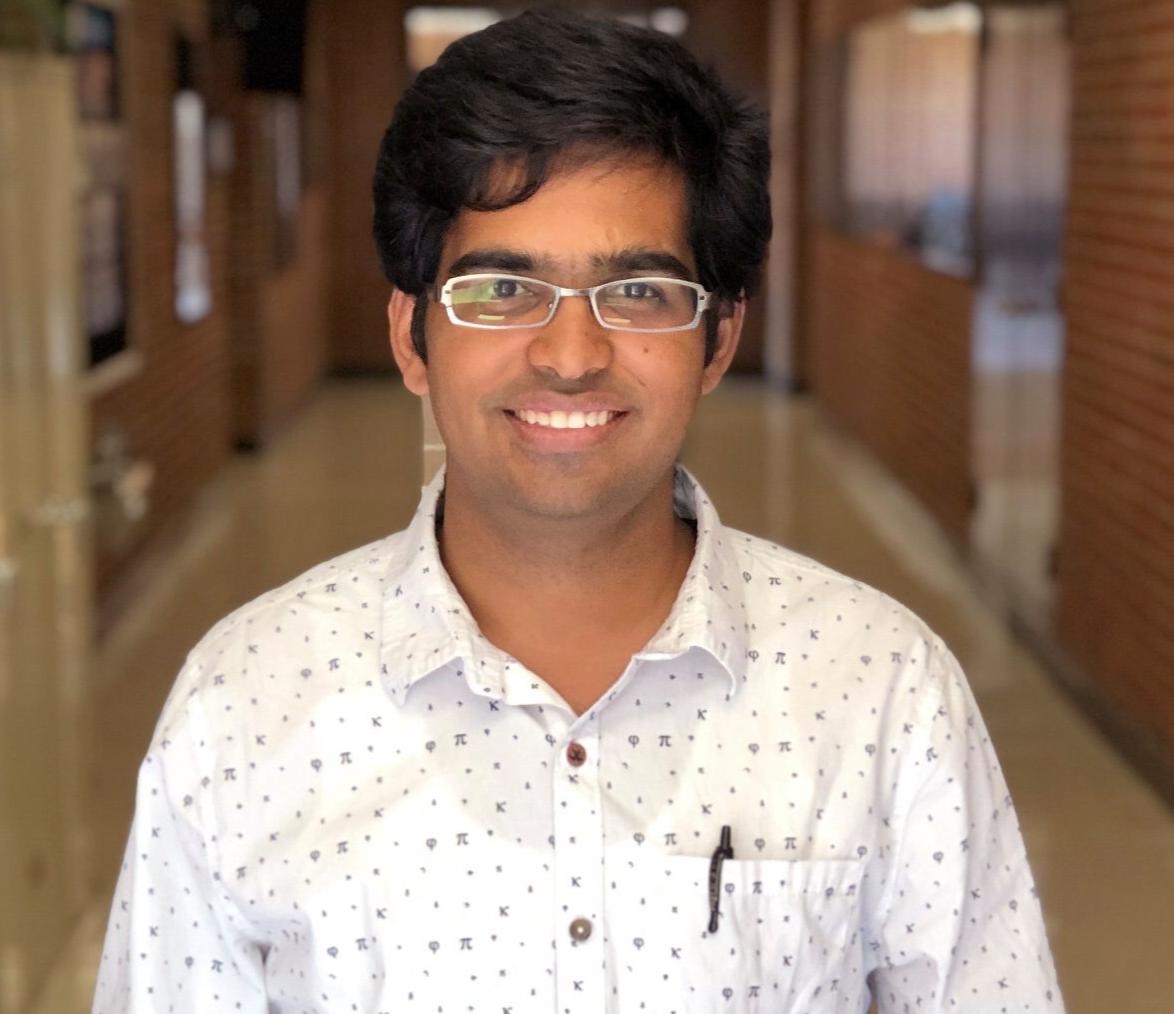
Nuclear Astrophysicist
sudsid@gmail.com
(859) 227-2834
I am a nuclear astrophysicist who loves to understand the deep intricacies of our universe. With a PhD in nuclear astrophysics from Ohio University, I use principles of nuclear physics to understand cosmological events such as core-collapse supernovae, neutron stars, and binary mergers.
I am a passionate scientist with broad and in-depth knowledge in physics, mathematics, and programming. I solve complex problems using computational methods, data analytics, and machine learning, working daily with Python, NumPy, and SciPy for computational modeling.
Affiliations: Institute of Nuclear and Particle Physics | Joint Institute for Nuclear Astrophysics | Google Scholar
Python, FORTRAN, JavaScript, Mathematica
Computational modeling and numerical simulationsNumPy, SciPy, Matplotlib, Seaborn, Plotly
Scientific data processing and visualizationScikit-learn, TensorFlow, Data Mining
ML applications in physics researchQuantum Field Theory, Mean Field Theory
Fermi liquid theory and finite temperature field theoryMy primary research foci are the equations of state for core-collapse supernovae, neutron stars and binary mergers of neutron stars. I also work explore methods pertaining to crustal cooling of neutron stars. My primary research methods include quantum field theoretic calculations, mean field theory, Landau's Fermi liquid theory and finite temperature field theory. I also do model calculations using open-source software. I am a member of the Institute of Nuclear and Particle Physics and am affiliated with the Joint Institute for Nuclear Astrophysics . My google scholar profile can be found here
Dense matter equations of state, neutron star physics, and binary merger simulations. Investigating core-collapse supernovae, crustal cooling, and stellar phenomena using quantum field theory and mean field approaches.
Density functional theory and Bayesian methods for nuclear structure calculations. Exploring nuclear pairing phenomena, mass predictions, and systematic uncertainties in nuclear theory.
Development of emulators and software toolkits for nuclear physics. Creating open-source computational infrastructure for fast and accurate simulations in astrophysics and nuclear science.
12
PUBLICATIONS146
CITATIONS4
h-INDEX16
AVG CITATIONSI have taught various courses at various levels. Specific details to every type of teaching can be found here.
Teaching undergraduate and graduate physics courses including quantum mechanics, statistical mechanics, nuclear physics, and astrophysics. Mentoring students in research projects and thesis supervision.
Applied and theoretical mathematics for physics applications. Covering mathematical methods, numerical analysis, differential equations, and statistical methods for data analysis.
Python, FORTRAN, and computational methods for scientific computing. Teaching students modern programming practices, version control, data visualization, and high-performance computing techniques.
24
Subjects Taught6
YEARS OF EXPERIENCE550
Total ClientsHere are a few blogs that I write about.
Daily learnings and insights ranging from academic discoveries, life lessons, motivational thoughts, and interesting skills. A collection of knowledge gathered along the way.
Personal reflections on life's journey, stories, experiences, and moments that have shaped my path. A space for sharing thoughts beyond science and academics.
Sharing the excitement of nuclear physics and astrophysics with diverse audiences
Regular public lectures on nuclear astrophysics, neutron stars, and computational physics. Presenting complex scientific concepts to general audiences and inspiring the next generation of scientists.
Organizing workshops and mentoring programs for undergraduate and graduate students. Focus on computational methods in physics, data analysis, and research skills development.
Writing accessible articles about nuclear physics research, astrophysics discoveries, and computational science. Making cutting-edge research understandable to broader audiences.
Developing and maintaining open-source computational tools for the physics community. Contributing to collaborative research infrastructure and reproducible science.